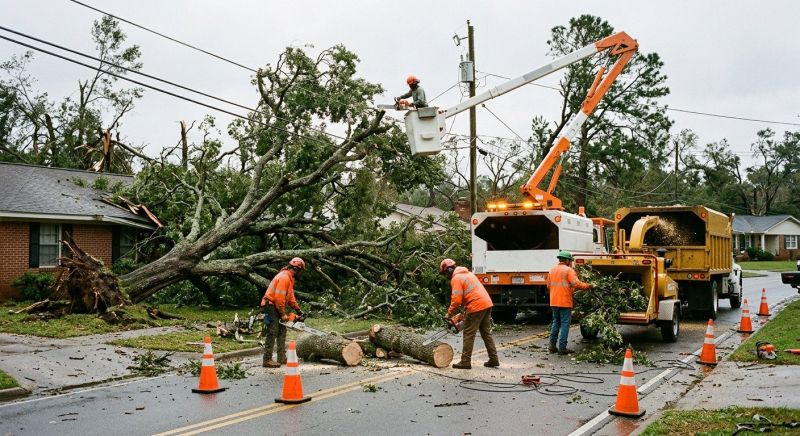
Fallen Tree Removal in Allentown, PA
Fallen tree removal services involve the safe and efficient clearing of trees that have fallen due to storms, age, or other causes. These projects typically include removing large tree trunks, branches, and debris from residential properties, ensuring the area is cleared for safety and accessibility. Homeowners often request this service to prevent potential damage to structures, eliminate hazards in yards or driveways, and restore the appearance of outdoor spaces after a tree has fallen.
Before requesting fallen tree removal, property owners should consider the size and location of the tree or debris, as well as any potential obstacles such as power lines or nearby structures. It’s important to understand the scope of work needed, including whether the entire tree needs to be removed or if only specific sections require attention. Having details about the fallen tree’s condition and the surrounding environment can help in planning an effective removal process.
Many property owners in Allentown, PA look into Fallen Tree Removal for repairs, replacements, upgrades, and appearance-related improvements.
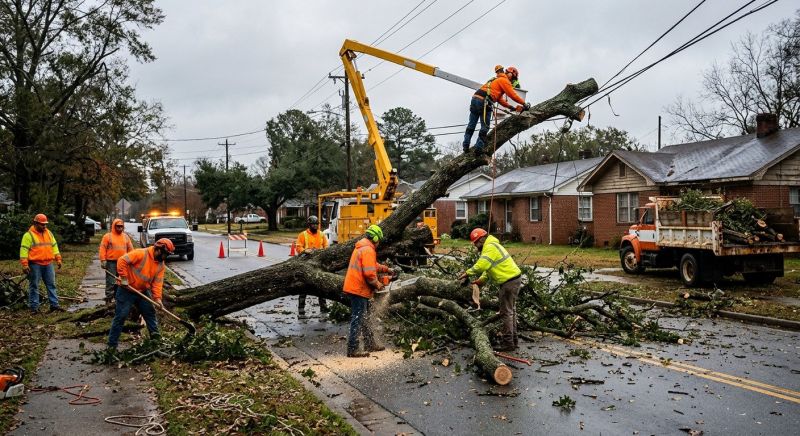
Reasons For Tree Removal
Trees may need to be removed due to disease, damage, or safety concerns on residential properties.
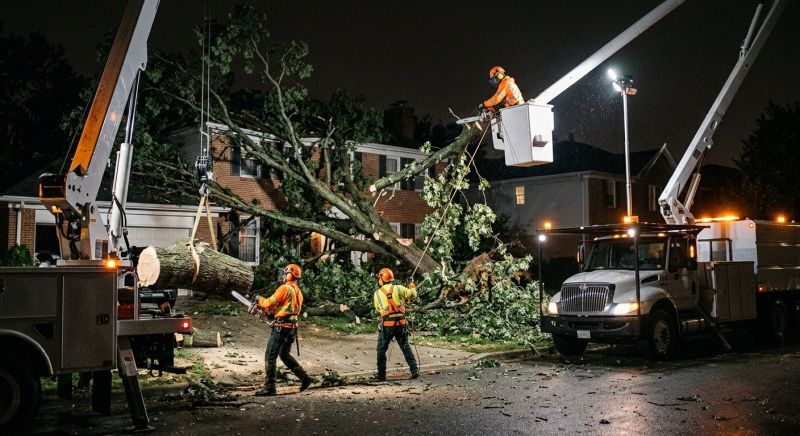
Safe Tree Removal Practices
Proper techniques ensure the safe and efficient removal of fallen or hazardous trees in allentown neighborhoods.
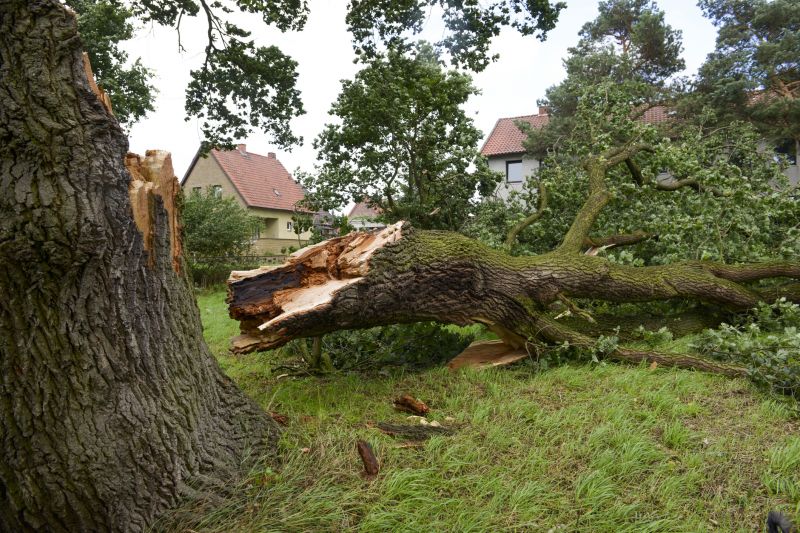
Post-Removal Cleanup
Clearing debris and restoring the landscape is an important part of the fallen tree removal process.
Fallen Tree Removal in Allentown, PA
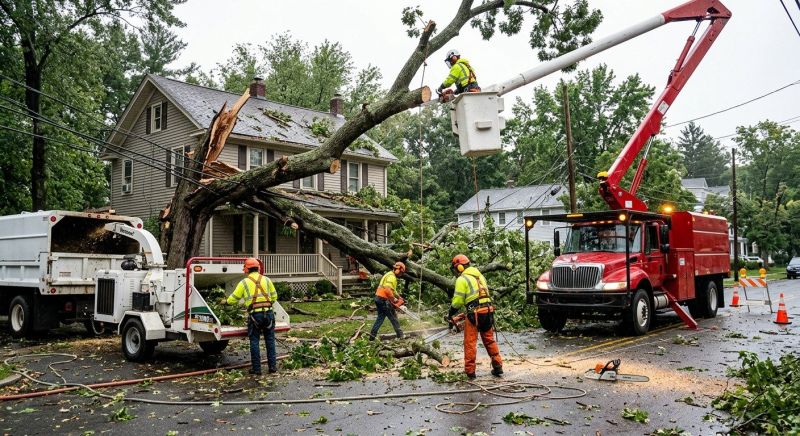
Fallen tree removal services involve the safe and efficient clearing of trees that have fallen due to storms, age, or other causes. These projects typically include removing large tree trunks, branches, and debris from residential properties, ensuring the area is cleared for safety and accessibility. Homeowners often request this service to prevent potential damage to structures, eliminate hazards in yards or driveways, and restore the appearance of outdoor spaces after a tree has fallen.
Before requesting fallen tree removal, property owners should consider the size and location of the tree or debris, as well as any potential obstacles such as power lines or nearby structures. It’s important to understand the scope of work needed, including whether the entire tree needs to be removed or if only specific sections require attention. Having details about the fallen tree’s condition and the surrounding environment can help in planning an effective removal process.
Many property owners in Allentown, PA look into Fallen Tree Removal for repairs, replacements, upgrades, and appearance-related improvements.
Common Fallen Tree Removal Jobs
Tree removal - safely eliminates hazardous or unwanted trees from the property.
Stump grinding - removes remaining tree stumps to improve landscape safety and appearance.
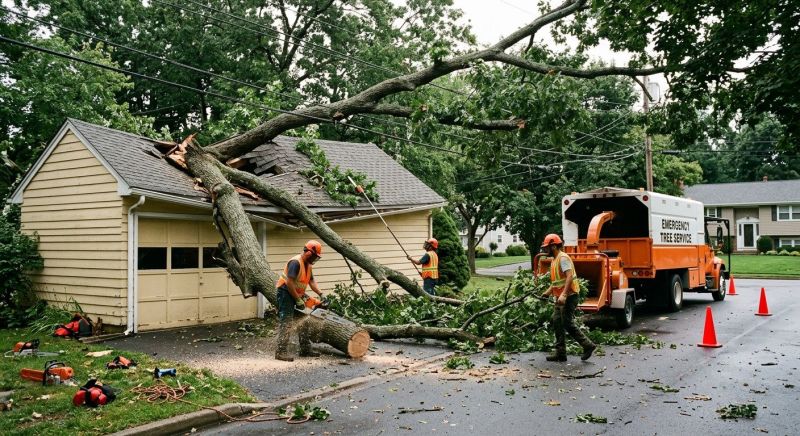
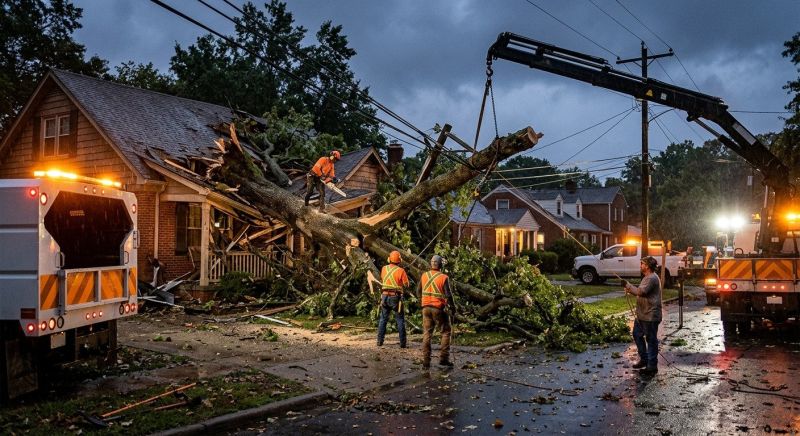
Emergency tree removal - addresses storm-damaged or fallen trees that pose immediate risks.
Selective tree removal - removes specific trees to promote healthy growth and landscape design.
Dead tree removal - clears out dead or dying trees to prevent potential hazards.
Tree thinning and pruning - reduces tree density and maintains structural health for safety and aesthetics.
Fallen Tree Removal Questions
What types of trees can be removed? Any common residential trees, including oaks, maples, and pines, can be safely removed when necessary.
When is tree removal needed? Tree removal is typically considered when a tree is dead, diseased, damaged, or poses a safety risk to the property.
What should property owners know about the removal process? The process involves assessing the tree’s condition, planning the removal, and safely cutting and clearing the tree and debris.
Are there alternatives to full tree removal? Yes, options like pruning or cabling may be suitable for preserving trees while addressing concerns.
Request Fallen Tree Removal in Allentown, PA
Use the quote form on this page to share the basics of your project and request more information for the type of work you need.